

Virgin PEEK supports multiple mature thermoplastic processing technologies, which is one of the important reasons why it is widely promoted in industrial mass production. The mainstream processing methods include injection molding, extrusion, compression molding, CNC machining and 3D printing.
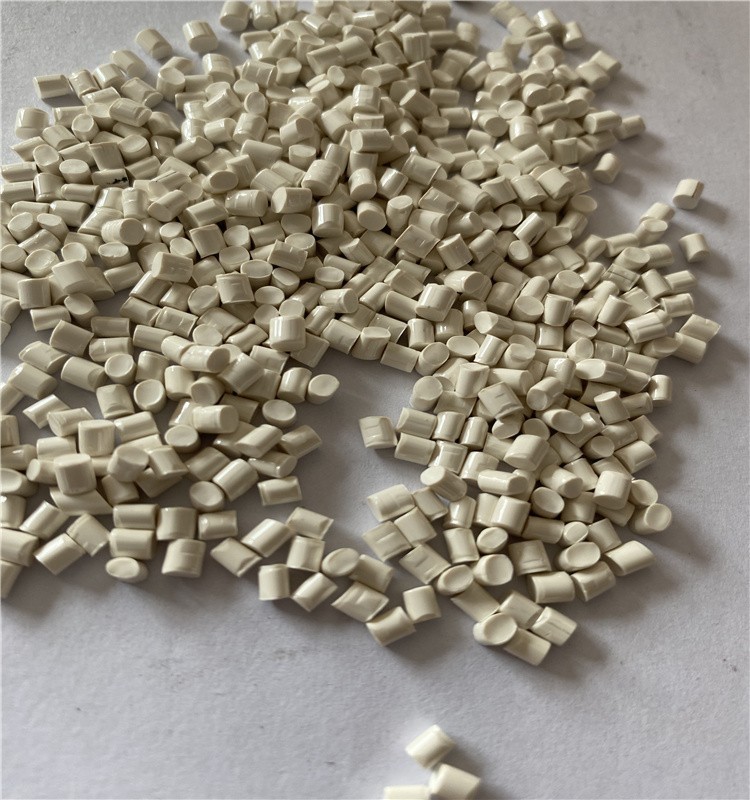
Injection molding is the most commonly used process for mass production of virgin PEEK parts. Due to high melting point, the processing temperature of the barrel needs to be controlled between 360°C–400°C, and the mold temperature should remain above 160°C to ensure sufficient crystallization of products and obtain stable mechanical properties. Virgin PEEK melt has moderate fluidity, suitable for manufacturing medium and small precision structural parts. Reasonable gate design can effectively avoid internal stress, bubbles and surface defects.
Extrusion process can produce PEEK sheets, films, pipes, profiles and wire insulation layers. Compression molding is often used to produce large-size PEEK blanks, thick plates and high crystallinity semi-finished products for subsequent CNC precision machining. Many manufacturers purchase virgin PEEK round bars and plates, and process them into customized special-shaped parts through lathes, milling machines. In recent years, PEEK filament for high-temperature 3D printing has also achieved rapid development, which facilitates rapid prototype verification for engineering design.
During processing, virgin PEEK needs strict drying before production to eliminate moisture and prevent silver lines and internal voids on finished products. Although the processing conditions of PEEK require higher temperature than ordinary plastics, compared with non-thermoplastic high-performance materials, it can use standard thermoplastic equipment without huge investment in special customized machines, bringing comprehensive cost advantages for large-scale production.
Comprehensive Application Fields of Virgin PEEK
1. Medical Device & Biomedical Industry
The medical industry is one of the highest growth markets for high-purity virgin PEEK. Medical unfilled virgin PEEK is applied to implantable bone repair supports, spinal fusion devices, cranial repair plates and surgical instruments. In disposable and reusable medical equipment, it is used for instrument handles, endoscopic structural parts, sterilization trays, medical pump valves and sealing components. Its biocompatibility, sterilization resistance and lightweight characteristics replace traditional metal titanium alloy in many scenarios to reduce product weight and lower manufacturing costs.
2. Aerospace & Aviation Industry
Aerospace puts forward extremely strict requirements on material lightweight, temperature resistance, flame resistance and fatigue resistance. Virgin PEEK is widely used in aircraft engine peripheral components, cabin structural parts, cable brackets, pipeline connectors, sealing gaskets and satellite precision structural parts. Replacing metal with virgin PEEK can reduce component weight by 30%–70%, save aircraft fuel consumption and improve flight endurance. At the same time, its low smoke and non-toxic combustion performance meets aerospace cabin material specifications.
3. New Energy & Automotive Industry
With the rapid development of new energy vehicles, virgin PEEK demand continues to rise. It is used for electric motor insulation end plates, bearing retainers, transmission system sealing rings, sensor shells, cooling system valve parts and battery module structural components. Under the high-temperature working environment of new energy vehicle power systems, virgin PEEK maintains dimensional stability, oil resistance and insulation performance. In traditional fuel vehicles, virgin PEEK can be applied to engine peripheral sliding parts, water pump bearings and wear-resistant gaskets.
4. Semiconductor & Electronic Precision Equipment
Semiconductor manufacturing requires materials with low particle precipitation, high temperature resistance and chemical cleaning resistance. Virgin PEEK is adopted for wafer transfer brackets, chip test fixtures, vacuum equipment connectors and precision instrument internal structural parts. It will not release volatile substances in high-temperature vacuum environments, and can resist cleaning of various electronic chemicals. In 5G communication and precision electronics, virgin PEEK serves as high-frequency insulating supports and high-temperature connector housings.
5. Oil & Gas Exploration Industry
Downhole equipment faces harsh working conditions including high temperature, high pressure, seawater corrosion and crude oil medium erosion. Virgin PEEK is used for downhole instrument shells, sealing assemblies, valve seats, pump body wear-resistant bushings and cable protection parts. It can work stably in deep well high-temperature fluid environment, resisting corrosion of brine and hydrocarbon media, extending the service life of underground exploration equipment and reducing maintenance frequency.
6. Industrial Automation, Robotics & Precision Machinery
Virgin PEEK self-lubricating wear-resistant parts are widely used in robotic joint bearings, gear components, linear guide sliding blocks, conveyor system rollers and precision machine tool accessories. It can run continuously without liquid lubrication, reduce equipment failure points and lower maintenance costs. In textile machinery, food processing equipment, printing machinery, virgin PEEK parts replace metal wear parts to achieve noise reduction and anti-rust effects.
Virgin PEEK VS Modified PEEK, Recycled PEEK & Other High-Temperature Polymers
Many suppliers provide carbon fiber filled, glass fiber filled modified PEEK, which improves rigidity and wear resistance but reduces toughness and surface quality. Virgin unfilled PEEK retains the best balance of toughness, impact resistance and processing flexibility, suitable for appearance parts, dynamic impact components and medical products that prohibit filler precipitation.
Recycled PEEK material originates from leftover scraps and waste parts. Due to multiple thermal cycles, molecular chains are degraded, resulting in unstable toughness, easy yellowing, uncontrollable batch performance. Recycled PEEK cannot be used for medical, aerospace and semiconductor high-standard products, and is only limited to low-load non-critical structural parts.
Compared with PPS, virgin PEEK has better low-temperature toughness, higher continuous service temperature and superior anti-fatigue performance. Compared with PEI, PEEK achieves stronger chemical resistance and wear resistance. Compared with thermosetting PI, PEEK can be thermoplastically reprocessed with higher production efficiency. Although the raw material cost of virgin PEEK is higher than general engineering plastics, its long service life and low failure rate bring better overall economic benefits in high-end equipment.
Global Market Trend of Virgin PEEK Materials
Driven by lightweight trends in aerospace, new energy vehicles, medical innovation and semiconductor industry expansion, the global virgin PEEK market maintains stable annual growth. At the same time, domestic high-purity virgin PEEK production technology continues to mature, breaking the long-term monopoly of overseas brands, providing more cost-effective supply choices for global buyers.
In the future, the industry will further develop special customized virgin PEEK grades, including low-extraction semiconductor grade, high-flow injection grade, ultra-high purity medical grade. With the continuous popularization of 3D printing technology, the demand for PEEK filament and PEEK powder will also increase significantly. As downstream high-end manufacturing continuously upgrades material standards, high-purity virgin PEEK will maintain its irreplaceable position in super engineering plastics.