Understanding Polypropylene: Chemical Composition and Key Properties
Polypropylene is a thermoplastic polymer produced through the polymerization of propylene monomers, a byproduct of petroleum refining and natural gas processing. Its molecular structure – characterized by a linear hydrocarbon chain – grants it remarkable chemical resistance, low density, and high tensile strength. PP granules typically come in homopolymer and copolymer variants, each tailored for specific performance needs. Key properties include:
-
Lightweight nature (density ~0.9 g/cm³)
-
Excellent resistance to acids, alkalis, and solvents
-
High melting point (~160°C), suitable for hot-fill applications
-
Good fatigue resistance and elasticity
-
FDA-approved grades for food contact
-
Fully recyclable, supporting circular economy initiatives
How PP Granules Are Processed
PP granules are transformed into final products through several industrial processes:
-
Injection Molding – Used for producing rigid items like containers, caps, toys, and automotive components.
-
Blow Molding – Ideal for making hollow objects such as bottles, jerrycans, and fuel tanks.
-
Extrusion – Employed in manufacturing pipes, sheets, and continuous profiles.
-
Thermoforming – Common for food packaging trays and disposable cups.
-
Fiber Spinning – Extruded into filaments for textiles, non-woven fabrics, and carpet backing.
Diverse Applications Across Industries
The adaptability of PP granules is evident in their cross-industry utilization:
1. Packaging Sector
PP is the material of choice for flexible and rigid packaging. Biaxially Oriented Polypropylene (BOPP) films are used for snack wrappers, adhesive tapes, and label films. Meanwhile, injection-molded PP containers are commonplace in food, pharmaceutical, and consumer goods packaging due to their clarity and safety.
2. Automotive Components
The automotive industry relies on PP for interior trims, bumpers, battery cases, and under-the-hood parts. Its lightweight nature helps reduce vehicle weight, enhancing fuel efficiency, while its durability ensures long service life.
3. Textiles and Non-Wovens
PP fibers, known as “raffia,” are woven into sacks, bulk bags, and geotextiles. In non-woven form, PP is used in surgical masks, diapers, hygiene products, and filtration media – a demand that surged significantly in recent years.
4. Consumer and Household Goods
From furniture and luggage to kitchenware and toys, PP’s colorability, smooth finish, and impact resistance make it a favorite for designers and manufacturers.
5. Agriculture and Construction
PP pipes, sheets, and greenhouse films offer corrosion resistance and longevity. In construction, PP is used in insulation, piping systems, and temporary structures.
Why Choose PP Granules?
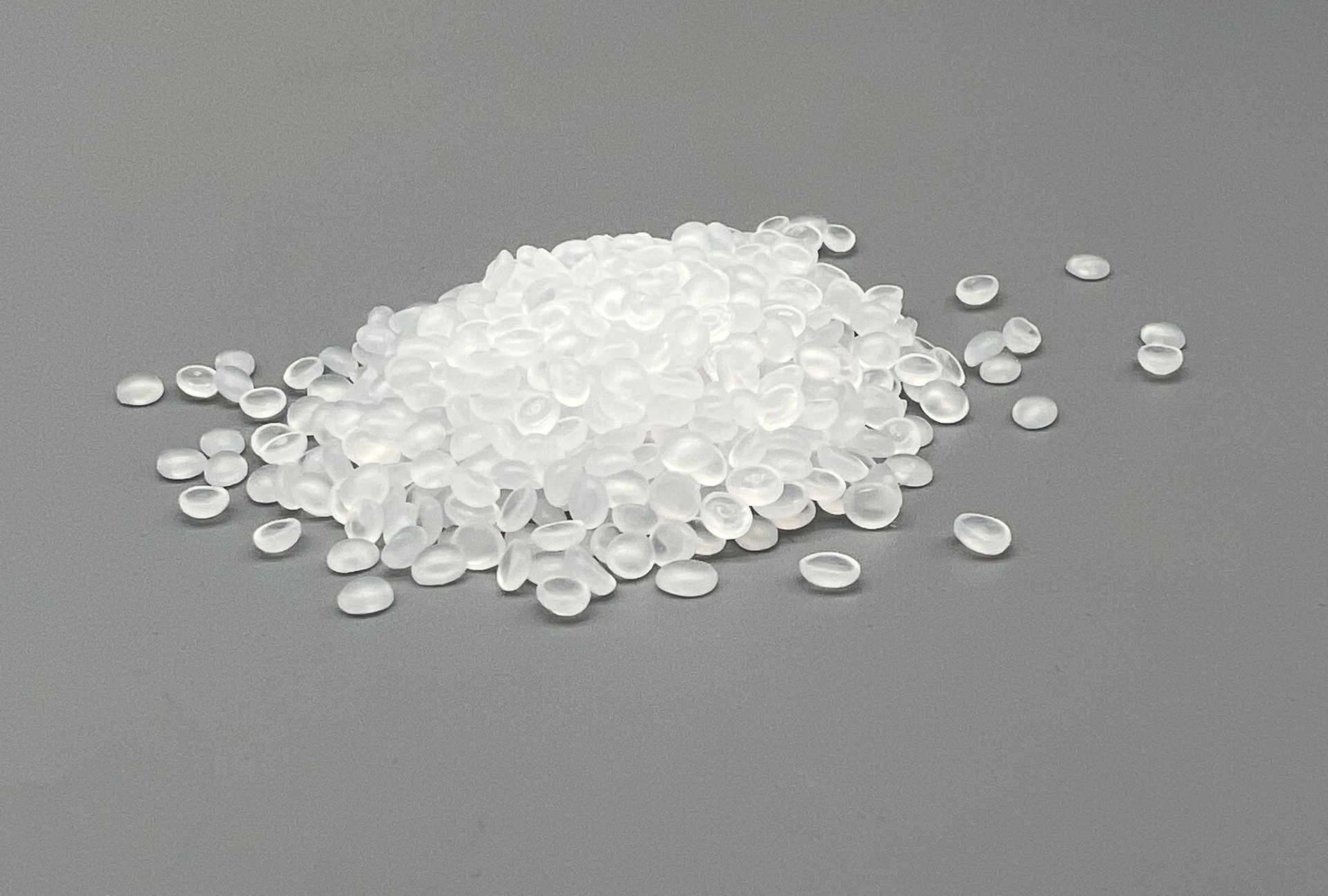
For manufacturers, PP granules offer an unbeatable combination of performance and economy. They are easier to process compared to many engineering plastics, reduce transportation costs due to their low density, and contribute to sustainable goals through recyclability. With advancements in additive technology, PP can be enhanced with UV stabilizers, flame retardants, or glass fibers to meet specialized requirements.
The Future of PP in a Green Economy
As sustainability becomes a global priority, the PP industry is innovating with bio-based polypropylene and improved recycling technologies. Post-consumer recycled (PCR) PP granules are gaining traction, allowing manufacturers to reduce carbon footprints without compromising quality.
Partner with a Trusted PP Granules Supplier
Selecting the right supplier is crucial for consistent quality and supply chain reliability. As an experienced plastic granules trader, we offer a wide range of PP grades – from standard injection molding to high-clarity and high-impact varieties – tailored to your production needs. Our technical support ensures you optimize processing parameters for efficiency and output quality.
In conclusion, PP granules are far more than just raw material – they are the building blocks of innovation across industries. By understanding their properties and applications, manufacturers can unlock new possibilities in product design and performance.