

Understanding EVA: Chemical Composition and Structure
EVA is a copolymer derived from the polymerization of ethylene and vinyl acetate monomers. The proportion of vinyl acetate (VA) content—typically ranging from 5% to 40%—plays a critical role in determining the material’s properties. A higher VA content results in increased flexibility, transparency, and elasticity, while a lower VA content enhances rigidity and chemical resistance.
Key structural characteristics include:
-
Thermoplastic Behavior: EVA can be repeatedly melted and reshaped without significant degradation.
-
Amorphous Structure: Its molecular arrangement provides excellent clarity and low-temperature toughness.
-
Polarity: The presence of vinyl acetate groups improves adhesion and compatibility with other materials.
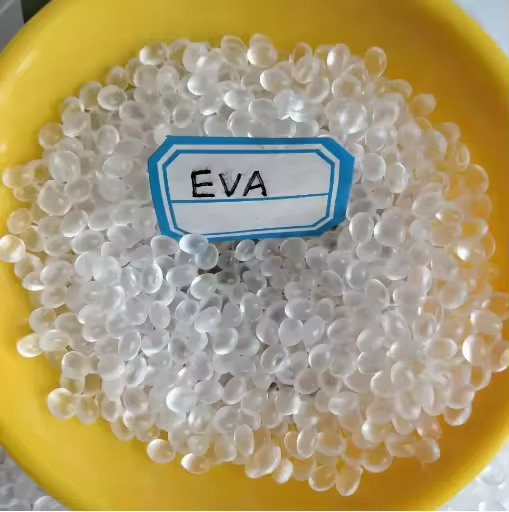
Key Properties of EVA Granules
EVA granules are renowned for their versatile performance profile, which includes:
-
Flexibility and Elasticity: EVA remains pliable across a wide temperature range, making it ideal for applications requiring repeated bending or impact absorption.
-
Lightweight and Cushioning: With a low density and excellent shock-absorption capabilities, EVA is often used in foam forms for comfort and protection.
-
Chemical Resistance: Resistant to oils, greases, and UV radiation, ensuring durability in outdoor and industrial environments.
-
Transparency and Gloss: High-clarity grades are suitable for packaging and decorative items.
-
Non-Toxicity and Odorlessness: FDA-compliant grades are safe for food contact and consumer goods.
-
Ease of Processing: EVA can be easily processed using common thermoplastic methods without the need for plasticizers.
-
Recyclability: EVA supports circular economy initiatives through mechanical recycling and reuse in various applications.
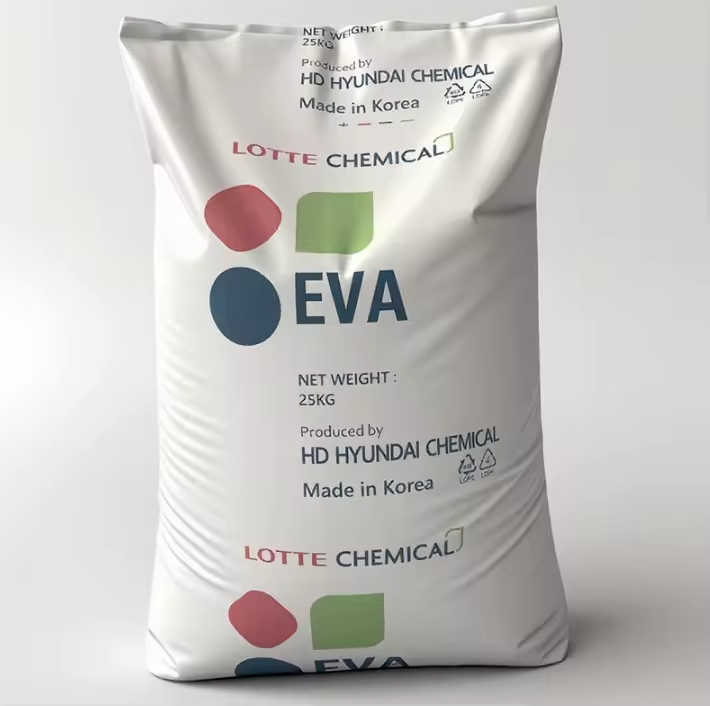
Processing Methods for EVA Granules
EVA granules can be transformed into finished products through several manufacturing techniques:
-
Injection Molding: Used for producing precise components such as shoe soles, toy parts, and automotive trim.
-
Extrusion: Employed in the manufacture of sheets, films, tubes, and profiles for packaging and industrial uses.
-
Compression Molding: Ideal for creating foam products like yoga mats, padding, and sports equipment.
-
Blow Molding: Suitable for making containers, bottles, and flexible tanks.
-
Hot Melt Adhesive Application: EVA-based adhesives are applied in liquid form for bonding textiles, packaging, and wood.
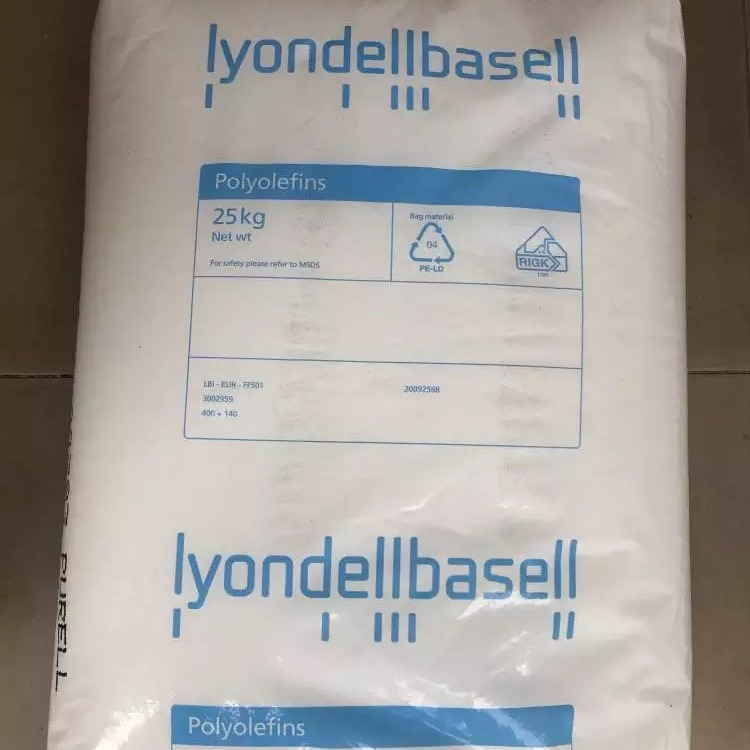
LyondellBasell EVA
Diverse Applications of EVA Granules
The adaptability of EVA granules is reflected in their wide-ranging industrial and consumer uses:
1. Footwear Industry
EVA is a cornerstone material for shoe manufacturing, particularly in midsoles, insoles, and sandals. Its lightweight cushioning enhances comfort, while its moldability allows for intricate designs and color integration. Crosslinked EVA foam provides enhanced durability and rebound resilience for athletic and casual footwear.
2. Solar Energy Sector
EVA sheets serve as encapsulation materials for photovoltaic (PV) modules, protecting solar cells from moisture, dust, and mechanical stress. Its optical clarity and UV stability ensure maximum light transmission and long-term performance in solar panels.
3. Packaging Solutions
EVA foam sheets and films are used for protective packaging of electronics, medical devices, and fragile goods. Custom-molded EVA inserts provide secure cushioning during transportation, reducing damage risks.
4. Sports and Leisure Products
From yoga mats and gym flooring to helmet liners and buoyancy aids, EVA’s shock-absorption and water-resistant properties make it ideal for sports equipment. Its closed-cell structure prevents moisture absorption, ensuring hygiene and longevity.
5. Adhesives and Coatings
EVA-based hot melt adhesives are widely used in woodworking, product assembly, and textile lamination due to their fast setting time, strong bonding, and low VOC emissions.
6. Toy Manufacturing
EVA is a preferred material for soft play mats, puzzle pieces, and educational toys because of its safety, bright colorability, and ease of cleaning.
7. Automotive Interiors
EVA foam is utilized in dashboard padding, armrests, and interior trim for noise reduction and enhanced comfort.
8. Medical Applications
Medical-grade EVA is used in orthotic devices, prosthetics, and tubing, benefiting from its sterilizability and skin-friendly nature.
Advantages of Choosing EVA Granules
For manufacturers, EVA granules offer several strategic benefits:
-
Design Flexibility: Can be tailored to meet specific softness, density, and performance requirements.
-
Cost-Effectiveness: Provides high performance at a competitive price point compared to other elastomers.
-
Sustainability: Supports eco-friendly production through recyclable and phthalate-free formulations.
-
Processing Efficiency: Easy to handle and process with standard thermoplastic machinery, reducing energy consumption and production time.
Future Trends: EVA in the Green Economy
As global industries shift toward sustainable practices, EVA is evolving to meet new demands. Innovations include:
-
Bio-based EVA: Derived from renewable resources like sugarcane ethanol, reducing carbon footprint.
-
Enhanced Recyclability: Advanced recycling technologies improving the recovery and reuse of EVA waste.
-
Smart Material Integration: EVA composites with additives for antimicrobial, flame-retardant, or conductive properties.
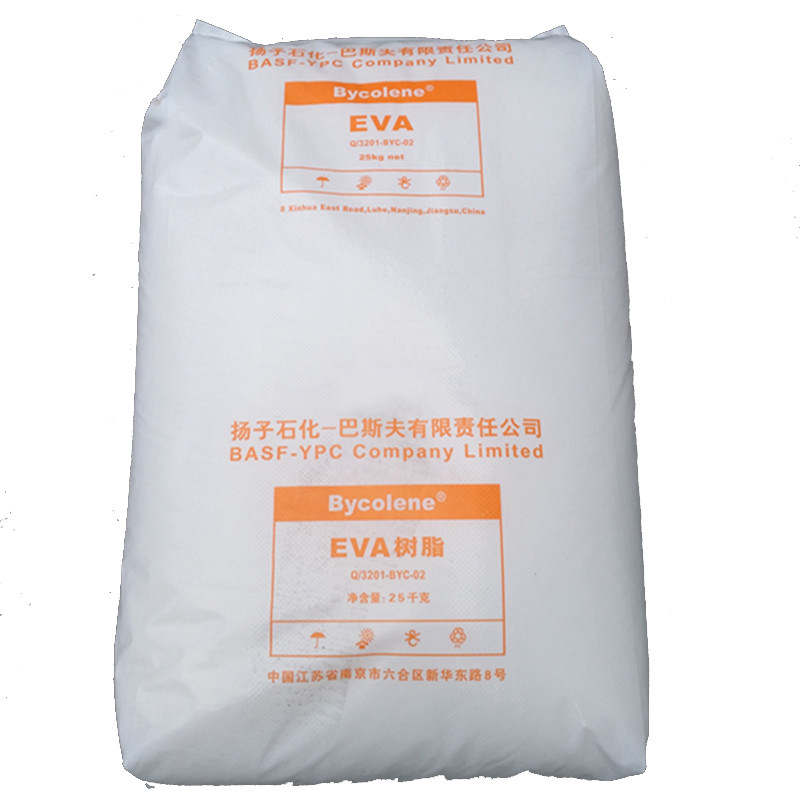
BASF EVA
Partner with a Reliable EVA Granules Supplier
Selecting the right EVA granules is crucial for product quality and consistency. As a trusted plastic raw material trader, we offer a comprehensive range of EVA grades—from standard foam and adhesive types to high-transparency and crosslinkable variants—tailored to your specific application needs. Our technical support team assists with material selection, process optimization, and sustainability solutions, ensuring you achieve optimal performance and efficiency.
In summary, EVA granules represent a dynamic and future-ready material that bridges functionality with sustainability. Whether you are developing innovative footwear, renewable energy systems, or protective packaging, EVA provides the versatility and reliability needed to excel in today’s competitive market.