

Part 1: Unpacking the Chemistry – Composition of GPPS and HIPS
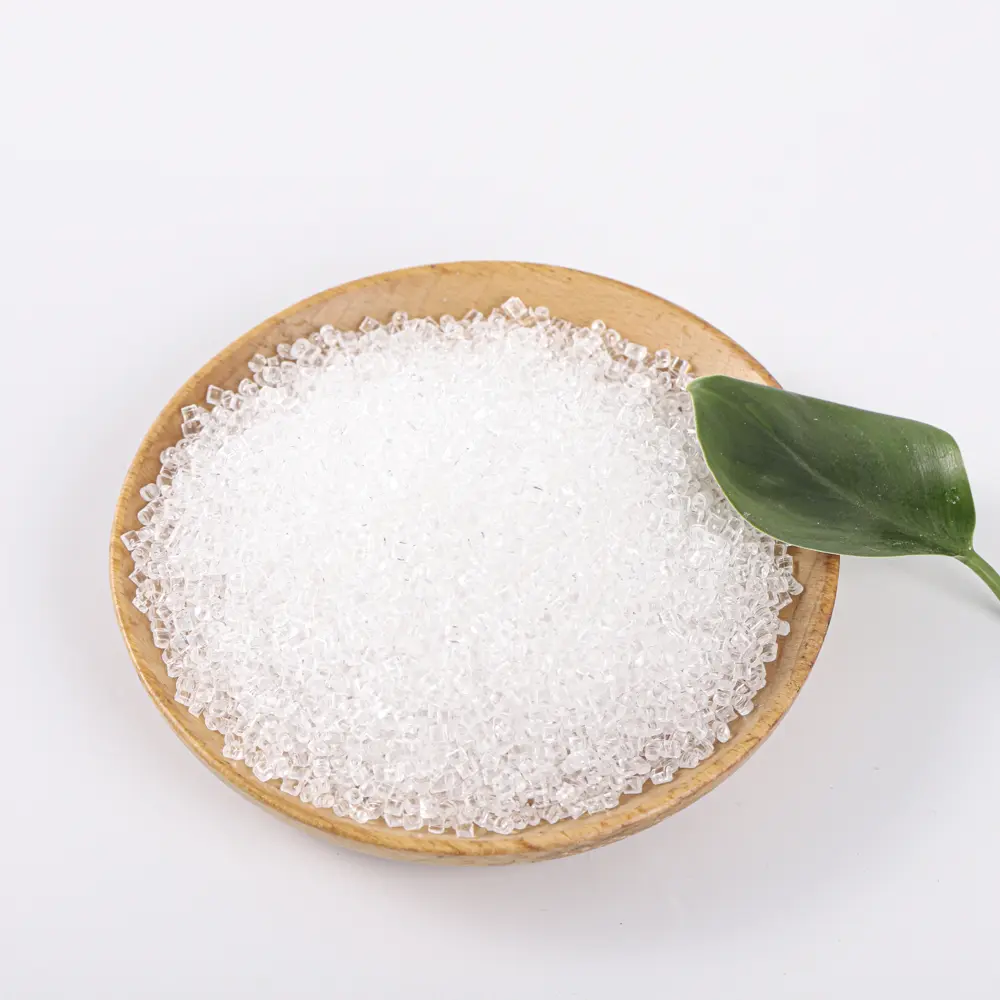
GPPS (General Purpose Polystyrene): Often referred to as "crystal polystyrene," GPPS is the pure, unmodified form of polystyrene. It is produced by the polymerization of styrene monomer alone. This results in a linear polymer chain with a rigid, benzene-ring side group structure. This regular structure allows polymer chains to pack closely, granting GPPS its renowned optical clarity and gloss, but also contributing to its inherent brittleness.
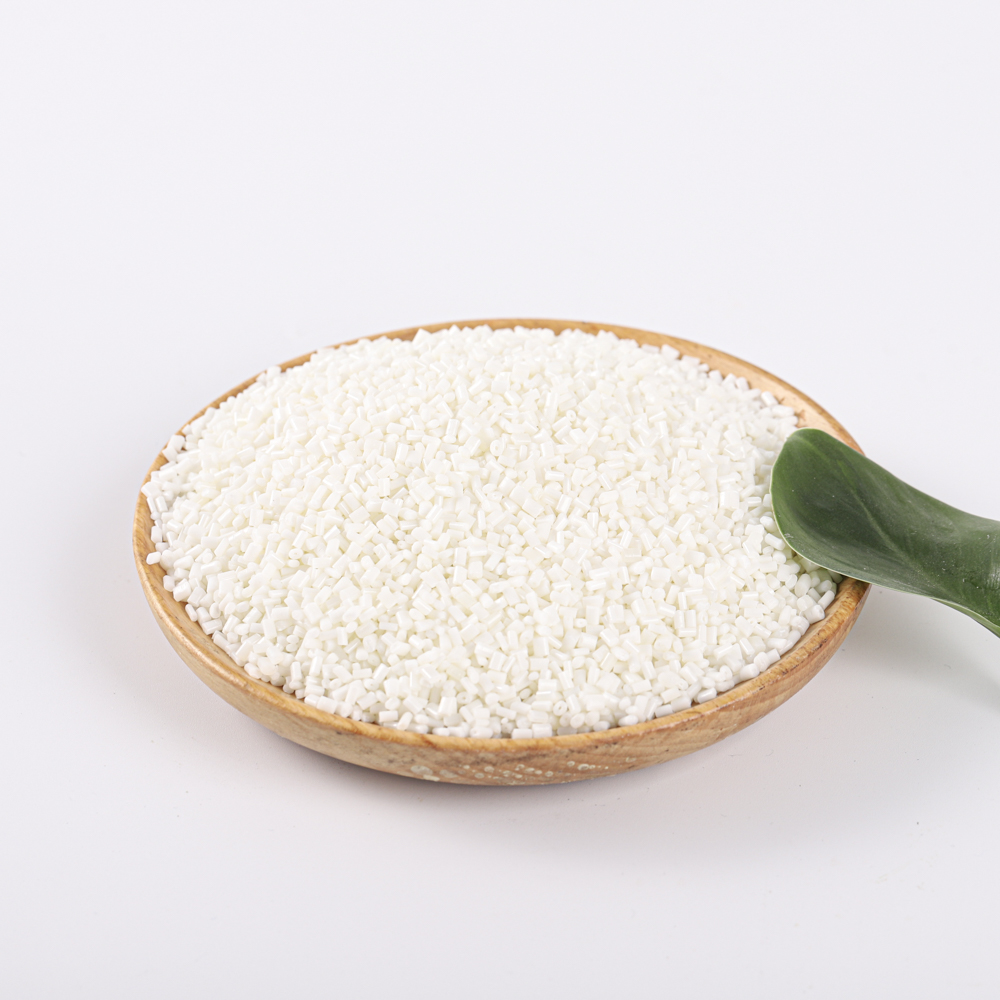
HIPS (High Impact Polystyrene): HIPS is a rubber-modified thermoplastic, essentially a composite material. It is created by polymerizing styrene in the presence of polybutadiene rubber (typically 5-10%). During this process, the rubber forms a discrete phase of microscopic particles embedded within the continuous polystyrene matrix. When subjected to stress, these rubber particles act as energy absorbers and crack arrestors, dramatically improving toughness and impact resistance at the expense of transparency.
Part 2: A Head-to-Head Comparison – Properties of GPPS vs. HIPS
| Property | GPPS (Crystal PS) | HIPS |
|---|---|---|
| Transparency/Clarity | Excellent, glass-like clarity | Opaque, typically white or off-white |
| Impact Strength | Low, inherently brittle | High, excellent resistance to shocks and drops |
| Rigidity & Hardness | Very high, stiff | Moderate, more flexible than GPPS |
| Surface Finish | High gloss, brilliant surface | Good gloss, but less than GPPS |
| Processability | Easy to process; low melt viscosity | Slightly higher melt viscosity; good processability |
| Chemical Resistance | Similar: resistant to water, diluted acids/alkalis; attacked by hydrocarbons and strong solvents. | Similar base resistance, but formulation can influence. |
| Cost | Generally lower cost | Slightly higher due to rubber modification |
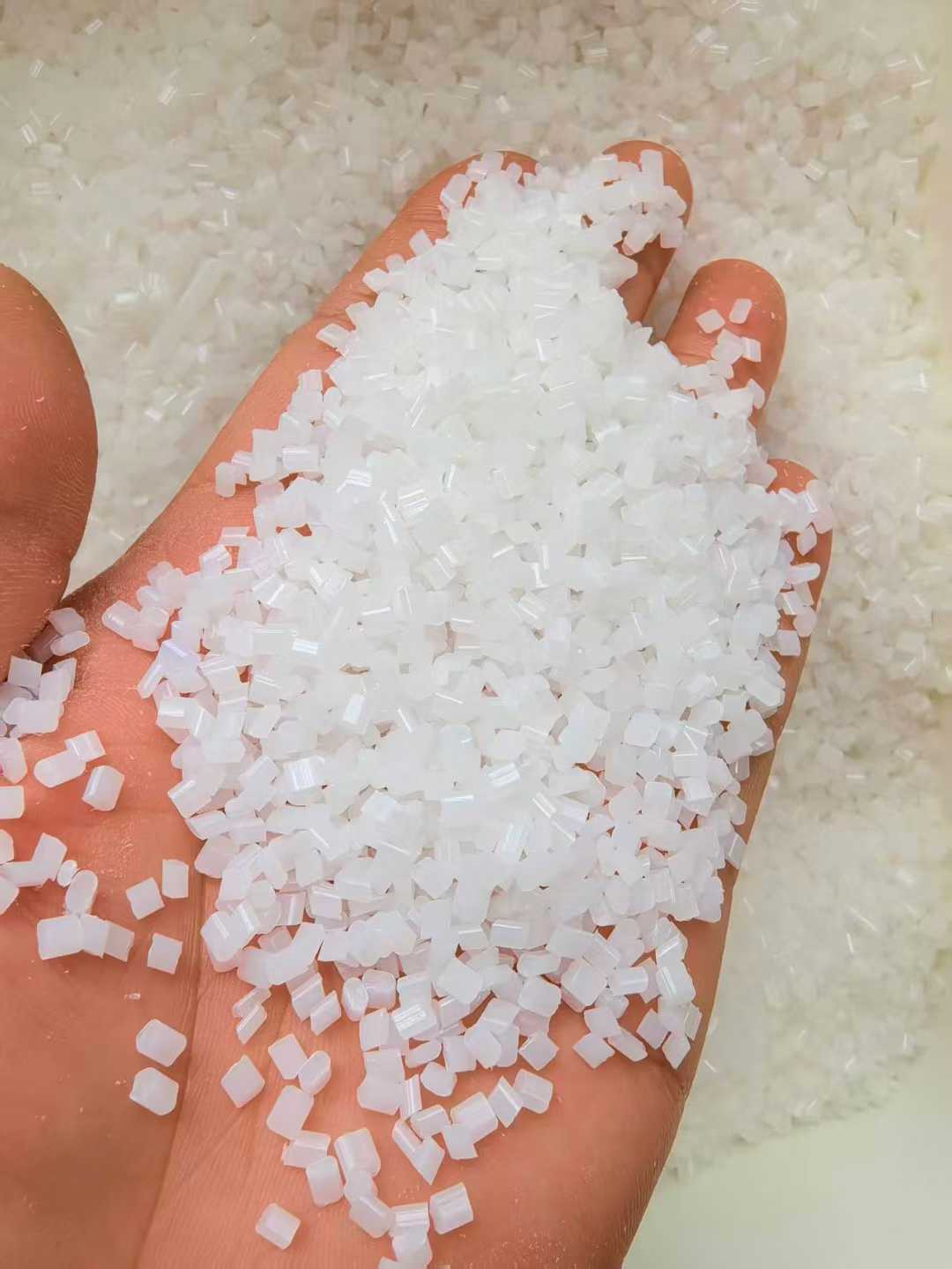
High-quality recycled polystyrene
Part 3: Processing Methods – Shaping the Materials
Both GPPS and HIPS granules are highly processable via standard thermoplastic methods, making them favorites for high-volume manufacturing:
-
Injection Molding: The predominant method for both, ideal for producing complex, detailed parts with fast cycle times.
-
Extrusion: Used to produce sheets, films, profiles, and tubes. GPPS sheets are often subsequently thermoformed.
-
Thermoforming: GPPS sheets are extensively thermoformed into disposable containers and clamshell packaging.
-
Blow Molding: Less common but used for some specific containers.
Part 4: Diverging Paths – Application Fields for GPPS and HIPS
GPPS Applications (Where Clarity is King):
-
Packaging: Clear disposable cups, lids, food containers, salad bowls, and clam-shell packs. Its brilliance showcases products effectively.
-
Consumer Goods: Transparent CD/DVD cases, cosmetic compacts, pen barrels, and hanger hooks.
-
Household Items: Refrigerator interior liners, transparent storage boxes, and utensil handles.
-
Medical: Petri dishes, test tubes, and other disposable labware where visibility is essential.
-
Sheets & Films: Used for glazing, display boxes, and as a base for vacuum metallization.
HIPS Applications (Where Durability is Critical):
-
Appliances: Housings for blenders, coffee makers, microwaves, refrigerator liners, and air conditioner covers.
-
Electronics & IT: Cabinets for TVs, monitors, printers, and computer housings.
-
Toys & Recreational: Durable toy parts, Lego-type bricks, playground equipment, and model kits.
-
Packaging: Opaque lids, yogurt containers, vending machine cups, and protective foam replacements (e.g., edge protectors).
-
Point-of-Sale Displays: Rigid, printable, and impact-resistant stands and signage.
Part 5: Choosing the Right Material – A Decision Framework
The choice between GPPS and HIPS is rarely ambiguous if the primary requirement is considered:
-
Choose GPPS if: Your product's number one requirement is crystal-clear transparency and brilliant aesthetics, and it will not be subjected to significant impact or stress (e.g., a display box, a disposable cocktail cup).
-
Choose HIPS if: Your product requires good toughness and impact resistance to withstand handling, drops, or internal stresses, and transparency is not needed (e.g., a power tool housing, a children's toy).
Part 6: Future Trends and Sustainability Considerations
The polystyrene market is actively evolving in response to environmental pressures:
-
Recyclability: Both GPPS and HIPS are technically recyclable (resin identification code #6). The industry is improving collection and mechanical recycling streams, particularly for post-industrial waste.
-
Advanced HIPS Grades: Development continues towards high-gloss HIPS, flame-retardant grades for electronics, and grades with improved chemical resistance.
-
Bio-attributed & Circular Solutions: Initiatives are underway to produce styrene from renewable bio-based sources, offering a reduced carbon footprint material without altering performance.
Partnering with a Knowledgeable Supplier
Navigating the specifics of GPPS and HIPS grades—melt flow indexes, regulatory compliance (FDA, EU), color masterbatch matching, and recommended processing parameters—requires expert guidance. As a specialized plastic granules trader, we provide not only a consistent supply of high-quality GPPS and HIPS resins but also the technical support to ensure your manufacturing process runs smoothly and your final product meets all specifications.
Conclusion
GPPS and HIPS, the clear and the tough siblings of the polystyrene family, continue to be indispensable workhorses in global manufacturing. By leveraging GPPS for its unmatched clarity and HIPS for its robust durability, product designers and engineers can achieve optimal functionality and cost-efficiency. Understanding their fundamental differences is the first step toward unlocking their full potential in your next project.