Introduction: The Rise of Polycarbonate Granules
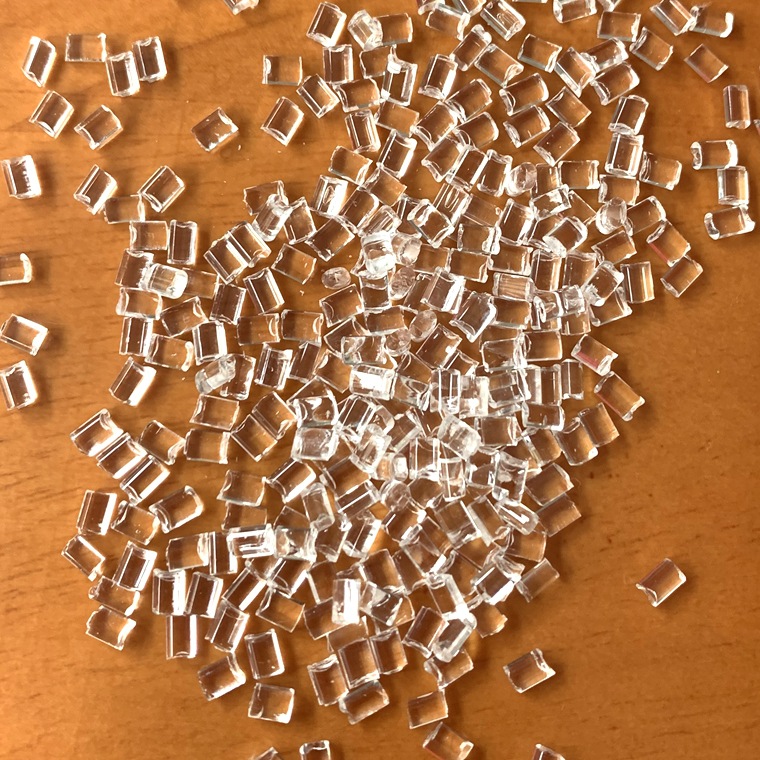
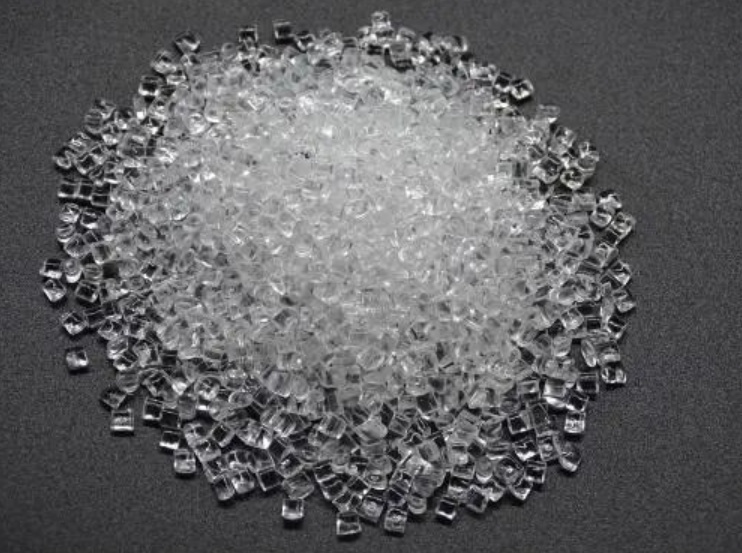
Polycarbonate, a thermoplastic polymer first commercialized in the 1950s, has become synonymous with durability, clarity, and versatility. PC granules, typically small cylindrical pellets, serve as the foundational feedstock for various manufacturing processes, including injection molding, extrusion, and blow molding. Their growing demand is fueled by advancements in technology and increasing emphasis on high-performance materials in industries such as electronics, automotive, and healthcare. This news piece explores why PC granules are a cornerstone of modern plastic trade, highlighting their composition, diverse uses, and future prospects.
Composition: Decoding the Chemical Structure of PC Granules
At its core, polycarbonate is synthesized through the reaction of bisphenol A (BPA) with phosgene or, in more modern environmentally friendly processes, diphenyl carbonate. This results in a polymer chain characterized by carbonate groups (-O-(C=O)-O-) linking aromatic rings, which confer exceptional strength and thermal stability. The composition of PC granules involves several key elements:
-
Monomer Preparation: BPA, derived from phenol and acetone, acts as a primary monomer. Traditionally, phosgene—a reactive gas—facilitates polymerization, but non-phosgene methods using diphenyl carbonate are gaining traction due to safety and sustainability benefits.
-
Polymerization Techniques: PC granules are produced via interfacial polymerization or melt polymerization. Interfacial polymerization involves a two-phase system where BPA and phosgene react to form high-molecular-weight polymer. Melt polymerization, through transesterification of BPA with diphenyl carbonate at elevated temperatures, allows precise control over molecular weight and granule consistency.
-
Molecular Weight and Additives: The average molecular weight of PC granules ranges from 20,000 to 50,000 g/mol, influencing properties like impact resistance and melt flow. During pelletization, additives are incorporated to enhance performance: UV stabilizers prevent degradation from sunlight, flame retardants improve fire resistance (meeting standards like UL94 V-0), and colorants provide aesthetic customization. Anti-static agents and plasticizers may also be included for specialized grades.
-
Granule Formulation: The final granules are homogenized through compounding, ensuring uniform dispersion of additives. This step tailors PC granules for specific applications, such as optical clarity for lenses or high heat resistance for automotive components.
Properties: The Hallmarks of PC Granules
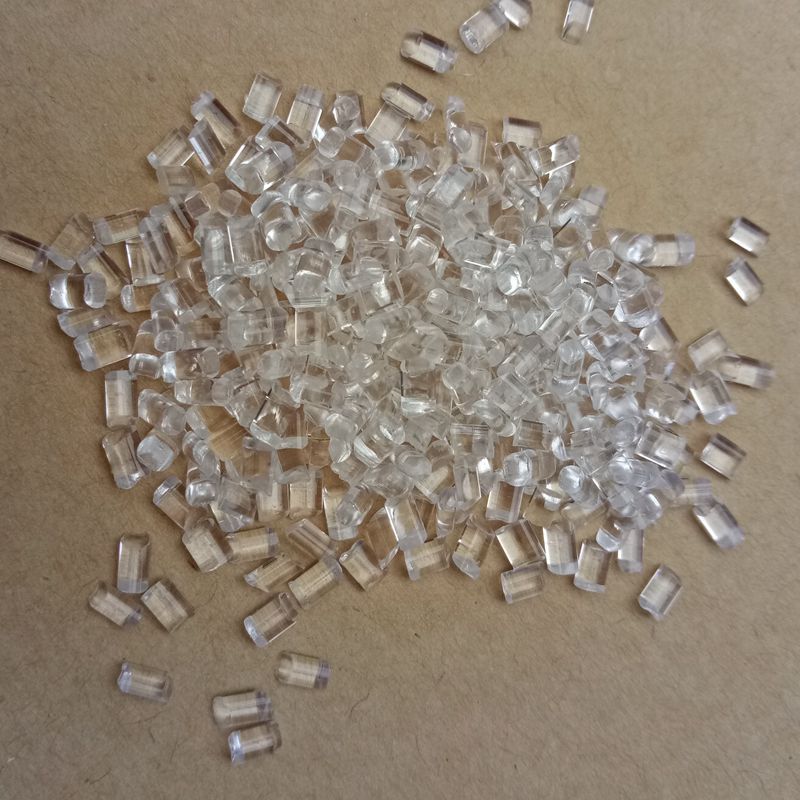
PC granules exhibit a suite of superior properties that justify their widespread adoption:
-
High Impact Strength: With notch impact resistance exceeding 600 J/m, PC is virtually unbreakable, making it ideal for safety-critical items like bullet-resistant windows and protective gear.
-
Optical Clarity: PC granules offer up to 90% light transmittance, rivaling glass but with significantly lower weight and greater durability, suitable for lenses and transparent panels.
-
Thermal Resistance: A glass transition temperature (Tg) of approximately 147°C enables PC to withstand high-temperature environments without deformation, with heat deflection temperatures reaching 130-140°C under load.
-
Electrical Insulation: As an excellent dielectric material, PC provides reliable insulation for electronic components and enclosures.
-
Chemical and Weather Resistance: PC resists many acids, oils, and alcohols, though it is susceptible to strong bases. Its weatherability can be enhanced with coatings for outdoor use.
-
Dimensional Stability: PC maintains shape under mechanical stress and temperature fluctuations, ensuring precision in manufactured parts.
-
Applications: Spanning Diverse Industries
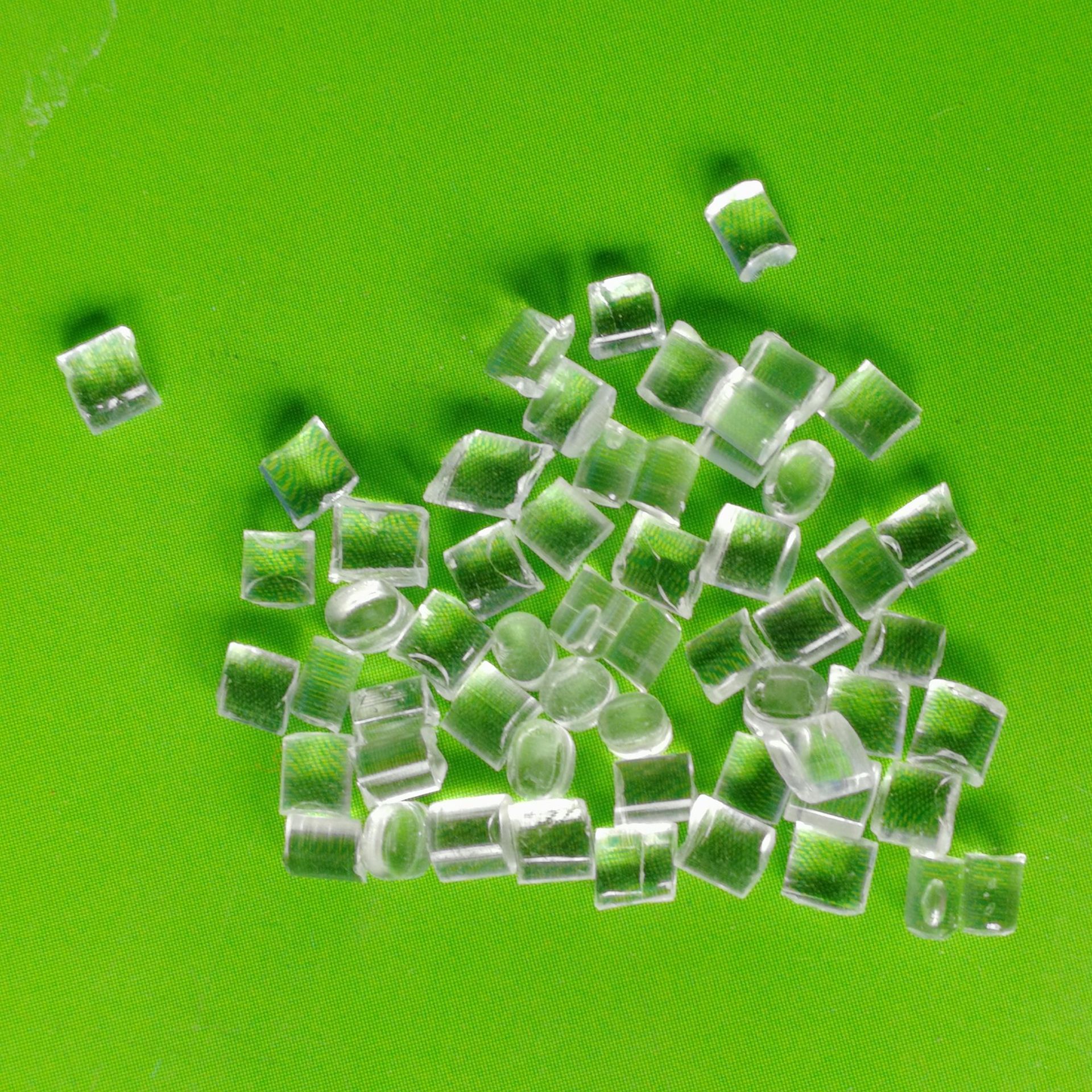
The versatility of PC granules translates into extensive applications across global markets:
-
Electronics and Electrical: PC is used in smartphone and laptop housings, connectors, and power tool casings due to its impact resistance and electrical insulation. It also features in LED light covers and insulating components for appliances.
-
Automotive Sector: Headlight lenses, interior trim, dashboard panels, and sunroofs leverage PC’s clarity and heat tolerance. The shift toward electric vehicles (EVs) boosts demand for lightweight PC parts to enhance energy efficiency.
-
Medical Devices: Surgical instruments, dialysis filters, and hospital equipment housings utilize PC’s transparency, sterilizability (via autoclaving or radiation), and compliance with medical-grade standards.
-
Optical and Lighting: Eyewear lenses, safety goggles, and optical discs (e.g., CDs, DVDs) rely on PC’s scratch resistance and clarity. In lighting, PC diffusers and covers are common for LEDs and streetlights.
-
Construction and Glazing: Multiwall sheets for skylights, greenhouse panels, and sound barriers are extruded from PC granules, offering impact resistance and thermal insulation. Security applications include bullet-resistant windows and vandal-proof glazing.
-
Consumer Goods: Reusable water bottles, kitchenware, and toys incorporate PC for durability, though BPA-free grades are now prioritized for food contact due to regulatory concerns.
-
Aerospace and Defense: PC granules are molded into aircraft interior components, helmet visors, and instrument panels, where lightweight strength is crucial.
-
Renewable Energy: PC is used in solar panel components and wind turbine parts for its weather resistance and structural integrity.
Market Trends and Trade Insights: Navigating the Future
The global PC granules market is projected to grow at a CAGR of 4-6% through 2030, driven by technological innovations and expanding applications. Key trends include:
-
Sustainability Initiatives: Recycled PC granules, sourced from post-consumer waste like electronic housings and automotive scrap, are gaining popularity, aligning with circular economy goals and reducing carbon footprints.
-
Regulatory Developments: Evolving regulations on BPA usage, especially in food packaging and children’s products, necessitate compliance with standards from bodies like the FDA (U.S.) and EFSA (Europe). Traders must monitor these changes to ensure product suitability.
-
Innovation in Material Blends: Alloys such as PC/ABS (acrylonitrile butadiene styrene) combine PC’s strength with ABS’s processability, opening new avenues in automotive and electronics. Flame-retardant and UV-resistant grades are also evolving.
-
Geographic Dynamics: Asia-Pacific dominates production and consumption, with China as a hub for manufacturing and demand. Supply chain resilience, tariff policies, and regional demand shifts (e.g., growth in EV markets) are critical for traders to consider.
-
Digital Trade Optimization: As plastic traders enhance their online presence, SEO-rich content on PC granules—like this news article—can attract global clients, emphasizing quality, certification, and logistical support.
Conclusion: Embracing Opportunities with PC Granules
Polycarbonate granules represent a fusion of advanced material science and practical utility, making them indispensable in today’s industrial ecosystem. By understanding their detailed composition, broad applications, and market trends, traders can strategically source, market, and distribute PC granules to meet evolving client needs. As industries continue to prioritize performance and sustainability, PC granules will remain at the forefront, offering lucrative opportunities for agile traders.