

Introduction: The Polyethylene Trinity
Polyethylene's dominance stems from its excellent chemical resistance, processability, and affordability. However, its properties vary dramatically based on the polymer's density and branching structure, leading to the creation of HDPE, LDPE, and LLDPE. While they share a common monomer (ethylene), differences in catalytic processes and polymerization conditions yield materials with distinct performance profiles. This guide serves as an essential resource for traders navigating this critical segment of the plastic market.
1. High-Density Polyethylene (HDPE): The Stalwart of Strength
Composition & Structure:
HDPE is produced using coordination catalysts like Ziegler-Natta or metallocenes at low pressures. This process results in a polymer with minimal long-chain branching, allowing the chains to pack tightly together. Its linear structure leads to a high degree of crystallinity (typically 70-90%) and a density range of 0.941 to 0.965 g/cm³. The high strength-to-density ratio is its defining feature.
Key Properties:
-
High tensile strength and rigidity
-
Excellent chemical resistance, particularly to solvents
-
Low moisture absorption
-
Good impact resistance at low temperatures
-
Higher heat deflection temperature (approx. 120°C) than LDPE/LLDPE
-
Permeable to gases, making it unsuitable for high-barrier packaging
Primary Applications & End-Use Markets:
-
Packaging: Rigid containers, milk jugs, detergent bottles, crates, and caps/closures. Its stiffness and good barrier properties are ideal for these uses.
-
Industrial & Construction: Pipes and fittings for water, gas, and drainage (corrosion-resistant); geomembranes for lining; plastic lumber.
-
Consumer Goods: Toys, household containers, cutting boards.
-
Automotive: Fuel tanks (due to chemical resistance), some interior trim parts.
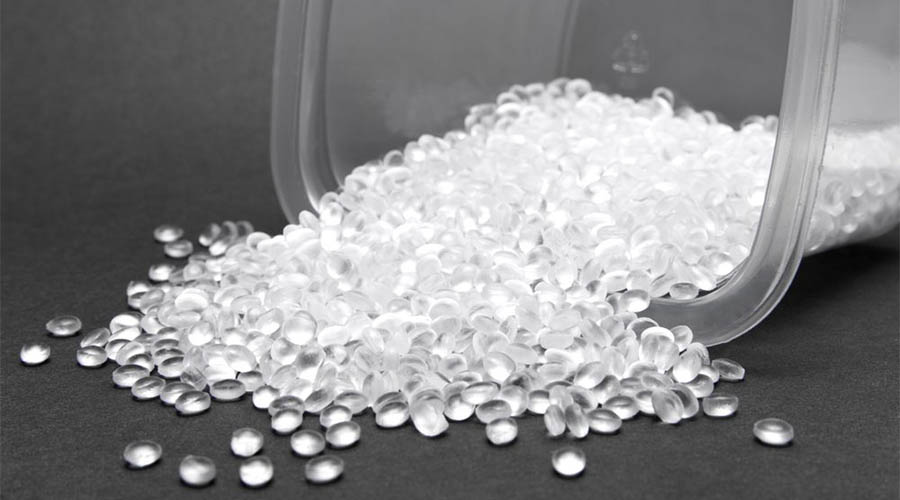
2. Low-Density Polyethylene (LDPE): The Flexible Pioneer
Composition & Structure:
LDPE is manufactured through a high-pressure free-radical polymerization process. This method creates a highly branched polymer structure—with both long and short branches—preventing the chains from packing closely. This results in a low-crystallinity (45-55%), low-density material (0.910–0.925 g/cm³), giving it its characteristic flexibility.
Key Properties:
-
High clarity and translucency
-
Excellent flexibility and elongation at break
-
Good impact and tear strength
-
Superior processability, especially in film extrusion
-
Good electrical insulation properties
-
Lower chemical and heat resistance compared to HDPE
Primary Applications & End-Use Markets:
-
Films & Sheets: Bread bags, shrink wraps, stretch films, and general-purpose packaging films where flexibility and sealability are key.
-
Coatings: Co-extruded layers for paperboard (e.g., milk cartons) providing moisture barriers.
-
Flexible Containers: Squeeze bottles, lids, and liners.
-
Wire & Cable: Insulation and jacketing.
-
Extrusion Coatings: On paper, foil, or other films.
-
LDPE resin
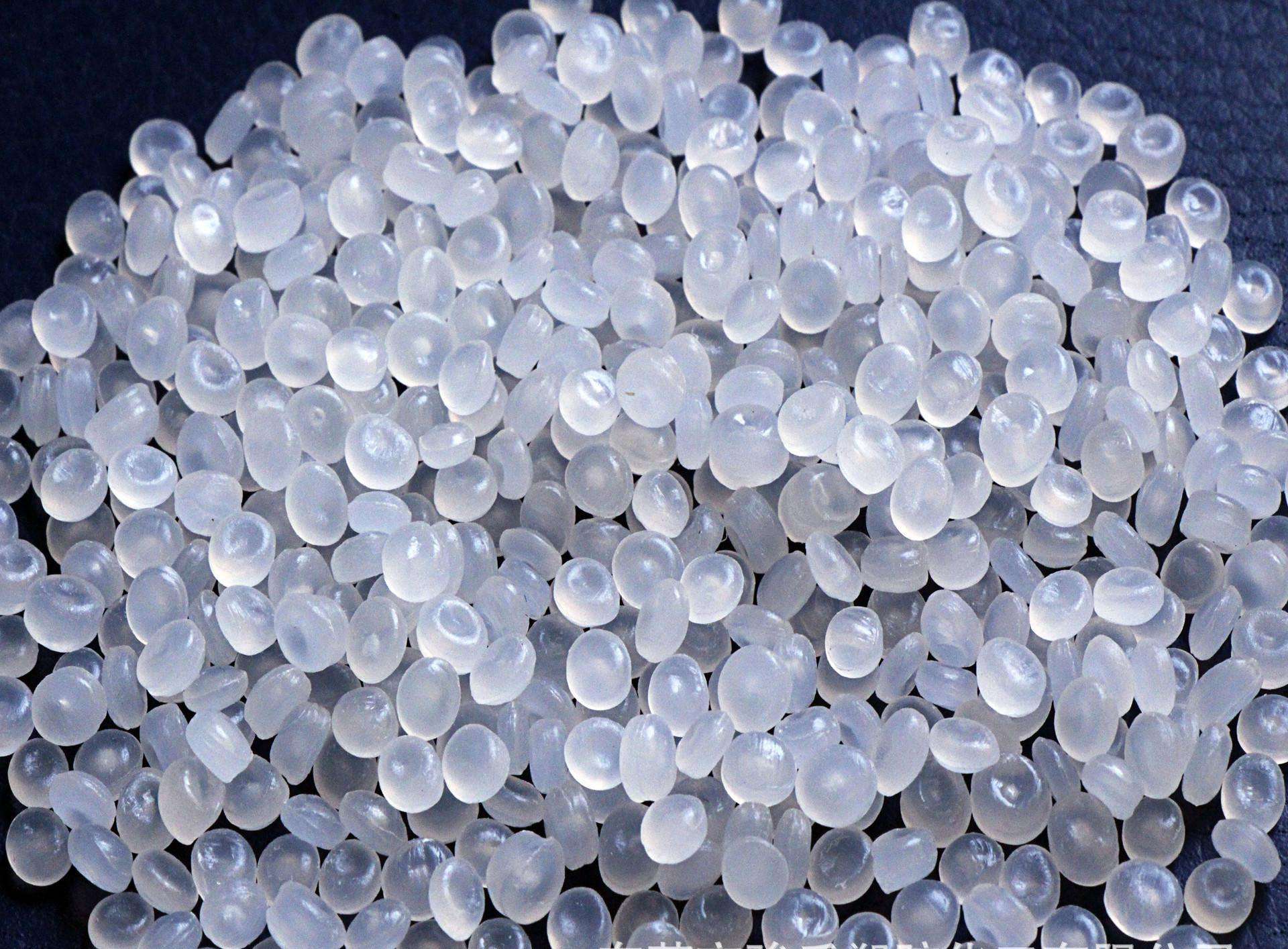
3. Linear Low-Density Polyethylene (LLDPE): The Engineered Performer
Composition & Structure:
LLDPE strikes a balance, produced by copolymerizing ethylene with alpha-olefins like butene, hexene, or octene at low pressures using advanced catalysts. It has a linear backbone with short, uniform branches (introduced by the comonomer). This structure allows for better chain entanglement than LDPE, resulting in higher strength while maintaining flexibility. Its density falls between LDPE and HDPE (0.915–0.925 g/cm³).
Key Properties:
-
Superior tensile strength, puncture, and impact resistance compared to LDPE.
-
Excellent environmental stress crack resistance (ESCR).
-
High flexibility and elongation.
-
Good clarity (can rival LDPE).
-
Can be processed at higher throughput rates.
Primary Applications & End-Use Markets:
-
High-Performance Films: Stretch wrap, industrial sacks, heavy-duty shipping sacks, agricultural films, and food packaging films (requiring high toughness and puncture resistance).
-
Rotomolding: Large tanks, containers, and playground equipment.
-
Injection Molding: Lids, containers, thin-walled parts.
-
Pipes: For certain flexible piping applications.
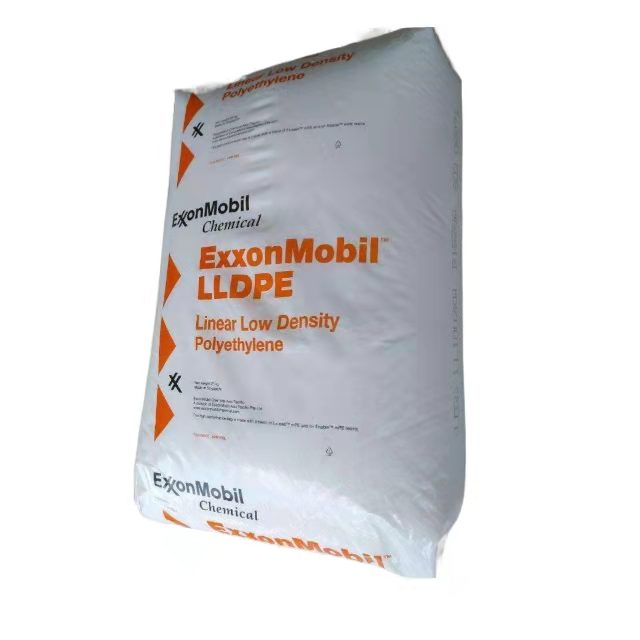
Comparative Analysis & Trade Considerations
| Property | HDPE | LDPE | LLDPE |
|---|---|---|---|
| Density | High (0.941-0.965) | Low (0.910-0.925) | Medium (0.915-0.925) |
| Branching | Minimal | Extensive, irregular | Short, uniform |
| Crystallinity | High | Low | Medium to High |
| Rigidity | Very High | Low (Flexible) | Medium (Tough & Flexible) |
| Barrier Properties | Good | Poor | Fair to Good |
| Max Use Temp | Higher (~120°C) | Lower (~80°C) | Moderate (~90-100°C) |
| Processability | Good | Excellent | Very Good |
Market Trends for Traders:
-
Sustainability & Recycling: HDPE is a major player in mechanical recycling streams (e.g., bottles into pipes). Demand for post-consumer recycled (PCR) HDPE and LDPE/LLDPE films is rising sharply, driven by brand commitments.
-
Film Market Evolution: LLDPE continues to gain market share from LDPE in film applications due to its strength, allowing for downgauging (thinner films), which reduces material use and cost.
-
Geographic Shifts: North America, with its shale gas advantage, remains a key production hub for ethylene and PE. However, Asia-Pacific, led by China, is the largest consumption region, influencing global trade flows.
-
Application Innovation: Metallocene-based LLDPEs (mLLDPE) offer even more precise control over properties, creating premium grades for high-end packaging and specialty films—a high-value niche for traders.
-
Blending: In practice, these granules are often blended (e.g., LDPE with LLDPE) to achieve a specific balance of processability, clarity, and strength, creating opportunities for traders to offer tailored solutions.
Conclusion: Strategizing Your Polyethylene Portfolio
For a plastic granules trader, success hinges on matching the right PE grade to the customer's application. HDPE is your go-to for rigidity and chemical resistance, LDPE for unparalleled flexibility and clarity in films, and LLDPE for high-toughness, engineered solutions. By deepening your technical knowledge of their构成, properties, and market trends, you position yourself not just as a supplier, but as a valued technical partner.
Stay ahead of the curve by offering a diversified portfolio that includes virgin, blended, and increasingly, recycled HDPE/LDPE/LLDPE granules. Optimize your digital presence with content like this to attract a global audience searching for reliable, expert polyethylene suppliers.