

The Molecular Makeup: It‘s All About the VA Content
EVA is a random copolymer synthesized through the polymerization of ethylene and vinyl acetate (VA). While ethylene provides the backbone of the structure, it is the VA monomer that acts as a "modifier," imparting the unique characteristics that distinguish EVA from conventional polyethylene (PE) .
The performance of any EVA grade is dictated by two primary parameters: Vinyl Acetate (VA) content and the Melt Flow Index (MFI) .
-
Vinyl Acetate (VA) Content: This is the most critical factor. As the VA content increases, the polymer’s crystallinity decreases, resulting in enhanced flexibility, elasticity, optical clarity, and adhesion. Typically, VA content in commercial solid EVA resins ranges from 5% to 40% . Generally, lower VA content (10-18%) yields a material closer to PE in rigidity, while higher VA content (28-40%) produces a soft, elastomeric material .
-
Melt Flow Index (MFI): This measures the viscosity of the polymer in its molten state. A high MFI indicates better flowability, making the material suitable for injection molding, while a low MFI is preferred for extrusion processes like film blowing or cable coating .
Manufacturing Processes: Tube vs. Kettle
The production of EVA granules primarily utilizes high-pressure autoclave or tubular reactor technologies, similar to LDPE production. Tubular reactors are cost-effective and efficient for producing grades with VA content up to 30%, commonly used in films and foams. Autoclave (kettle) reactors, due to their stirring mechanism, offer greater flexibility for higher VA content (up to 40%) and are often used for specialty grades like high-performance hot melt adhesives and premium cable compounds .
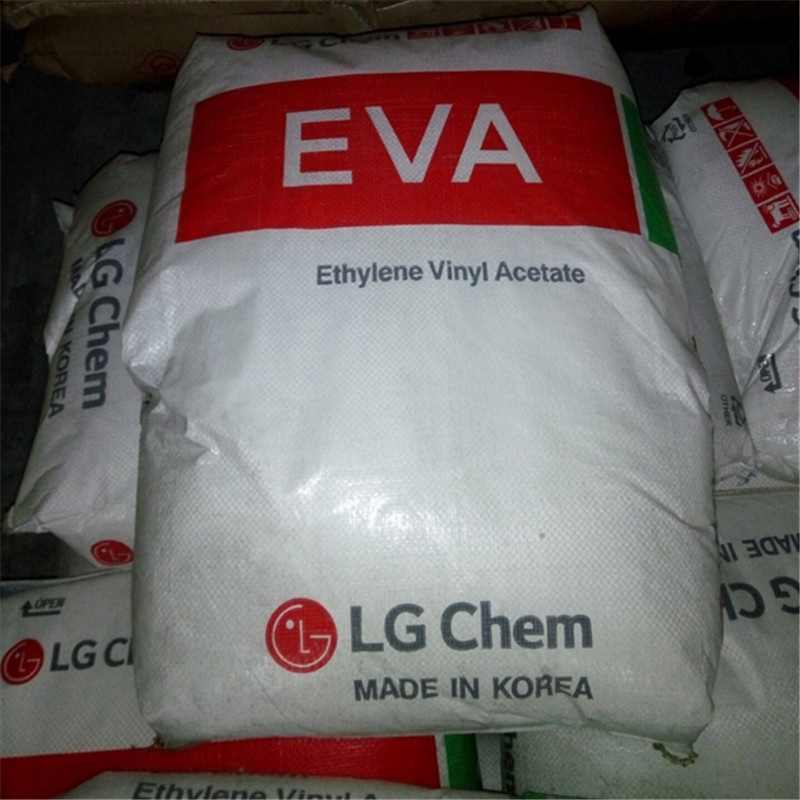
Mapping the Industrial Applications of EVA
The versatility of EVA granules allows them to serve as the foundational raw material for a diverse array of end products.
1. The Photovoltaic (PV) Revolution
EVA’s most high-profile role in the 21st century is in the solar energy sector. Photovoltaic grade EVA typically features a VA content between 28% and 33% . When processed into films, these granules create a transparent, durable, and adhesive encapsulant layer. This layer is crucial for bonding the solar cells to the glass and backsheet, protecting the delicate silicon wafers from moisture, impact, and environmental stress. With solar energy capacity expanding globally, the demand for high-quality PV-grade EVA remains a primary market driver, accounting for over 54% of EVA consumption in recent years .
2. Foaming Applications: Comfort and Cushioning
In the foaming sector, EVA is the material of choice for comfort and performance. By mixing EVA granules with chemical blowing agents in molds or continuous lines, manufacturers create a closed-cell foam structure. This application is ubiquitous in:
-
Footwear: From the lightweight midsoles of running shoes to comfortable sliders and flip-flops, EVA foam provides excellent shock absorption and energy return .
-
Sports & Leisure: Yoga mats, gym flooring tiles, and protective padding in sports equipment rely on EVA’s durability and cushioning .
-
Industrial: Anti-fatigue mats and packaging inserts for delicate electronics leverage its vibration-dampening properties .
3. Wire and Cable: Safety and Performance
EVA’s high filler acceptance is a key advantage in the wire and cable industry. For halogen-free flame retardant (HFFR) cables, EVA acts as a carrier for large quantities of aluminum hydroxide or magnesium hydroxide fillers. It maintains flexibility while providing the necessary fire safety standards required in buildings, data centers, and automotive applications .
4. Hot Melt Adhesives (HMA)
With VA content often exceeding 25%, EVA loses its plastic-like characteristics and gains adhesive properties. It becomes the primary component in hot melt adhesives, prized for its fast setting time and strong bond. These adhesives are essential in bookbinding, woodworking (edge banding), product assembly, and the packaging industry for case and carton sealing .
5. Advanced Blending and Coatings
Beyond these primary uses, EVA serves as a crucial modifier. It is blended with other polymers to improve impact resistance. In coating applications, such as for functional greenhouse films, EVA enhances light transmission and anti-fog performance, helping to extend the service life of agricultural plastics .
Market Outlook and Quality Assurance
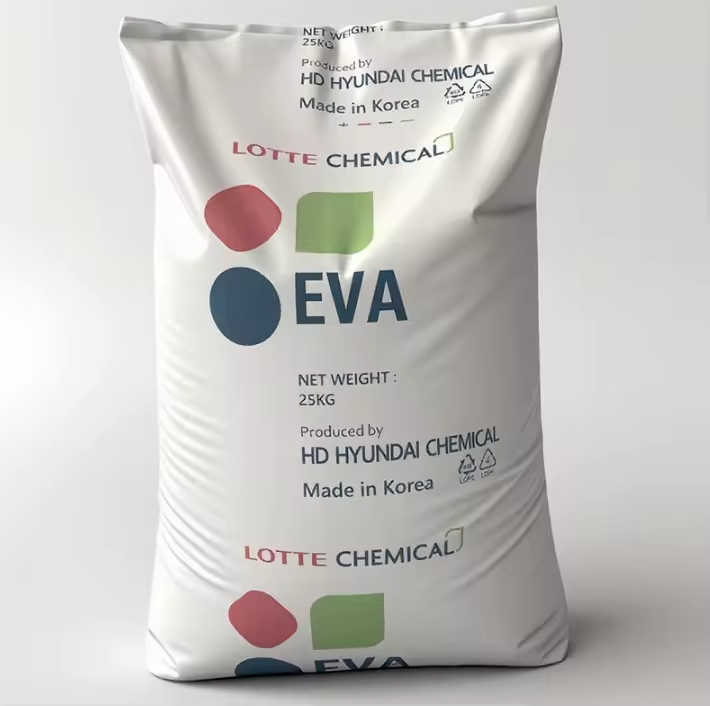
As a dedicated trading company, [Your Company Name] understands that the "invisible" specifications of EVA granules—density, thermal stability, and consistent VA distribution—determine the success of our clients' finished products. With global EVA capacity expanding and market dynamics shifting, particularly with the rise of POE in photovoltaic applications, securing a stable supply of high-quality, consistent EVA granules has never been more critical for manufacturers .
We remain committed to bridging the gap between world-class EVA production and the precise needs of the manufacturing sector, ensuring that from a single pellet to a finished good, the integrity of the material is never compromised.
Contact:
For inquiries regarding grades, specifications, and supply, please contact us at