

The Genesis of Performance: Molecular Structure and Polymerization
While both PA6 and PA66 fall under the polyamide family, their chemical synthesis routes diverge, leading to distinct personalities.
-
PA6 (Polyamide 6): Derived from a ring-opening polymerization of caprolactam, which contains six carbon atoms. This structure results in a polymer chain that is slightly less ordered .
-
PA66 (Polyamide 66): Synthesized via polycondensation of hexamethylenediamine and adipic acid, each contributing six carbon atoms. This creates a more complex and symmetrical chain with a higher concentration of amide groups .
The key differentiator lies in hydrogen bonding. PA66's molecular architecture allows for a greater density of hydrogen bonds between polymer chains. This acts like microscopic cross-links, giving PA66 superior thermal resistance and mechanical strength, while PA6's relatively looser structure offers enhanced ductility and impact resistance .
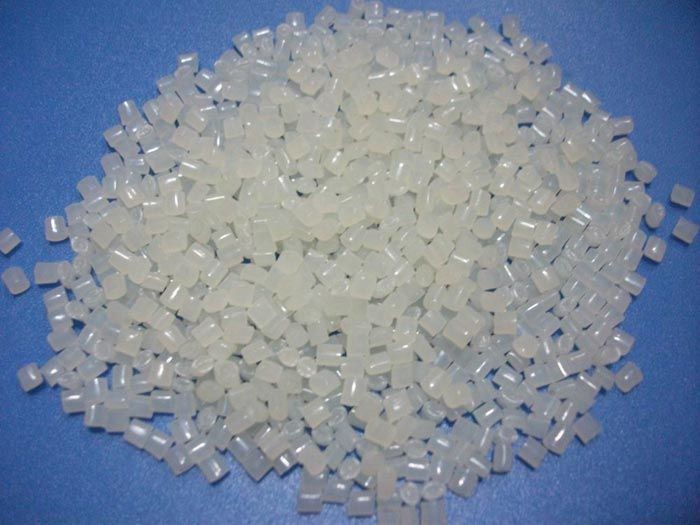
Comparative Property Analysis: The "Flexible Player" vs. The "Power Bearer"
When evaluating granules for specific molding or extrusion processes, these property distinctions become critical decision points .
| Property | PA6 (Polyamide 6) | PA66 (Polyamide 66) |
|---|---|---|
| Melting Point | ~220°C (428°F) | ~260°C (500°F) |
| Heat Deflection Temp (HDT) | ~80°C (176°F) | ~85°C (185°F) |
| Tensile Strength | 60-84 MPa | 80-90 MPa |
| Key Characteristics | Superior impact resistance, better surface finish, higher flowability for molding . | Higher stiffness, excellent creep resistance, retains properties at elevated temperatures . |
| Moisture Absorption | Higher (0.72-1.8% in 24h) | Lower (0.6% in 24h) |
| Price Trend | Economical / Cost-effective | Higher / Premium pricing |
PA6 is often described as the "flexible player," ideal for parts requiring toughness and impact absorption, whereas PA66 is the "power bearer," chosen when components must withstand higher mechanical loads and continuous heat without deforming .
Mapping the Applications: Where Do They Go?
Understanding the application landscape allows trade professionals to guide clients toward the correct grade.
1. Automotive Industry: Under the Hood and Beyond
-
PA66 Dominance: The engine compartment is the kingdom of PA66. Due to its high heat resistance (withstanding prolonged exposure to oils and coolants at 120-140°C), it is the material of choice for radiator end tanks, engine covers, intake manifolds, and cooling fans . Glass-fiber reinforced PA66 provides the structural integrity required for these mission-critical components.
-
PA6 Utilization: For under-hood components exposed to moderate heat, or for interior parts like seat belt components and door handles, PA6 offers sufficient performance at a reduced cost .
2. Electrical & Electronics (E&E)
-
Both grades offer excellent electrical insulation, but specific modifications dictate their use.
-
Connectors and Circuit Breakers: PA66 is prevalent here due to its ability to withstand soldering temperatures (high-temperature resistance) .
-
Flame Retardant Grades: Thanks to modification technologies, both PA6 and PA66 can achieve the stringent UL94 V-0 flame rating. This makes them indispensable for switches, sockets, and housings in appliances and industrial equipment, ensuring safety without sacrificing mechanical strength .
3. Industrial & Mechanical Parts
-
The inherent low friction and high wear resistance of polyamide make it a perfect metal replacement .
-
Bearings, Gears, and Bushings: Unfilled or internally lubricated grades (with additives like MoS₂ or PTFE) of both PA6 and PA66 are machined or injection molded into gears, rollers, cam followers, and wear pads for heavy machinery and conveyor systems . PA66 is preferred for higher load applications, while PA6 offers better noise and vibration dampening in some cases.
4. Consumer Goods and Textiles
-
Textile Fibers: A significant portion of PA6 consumption goes into textiles—from sportswear and swimwear to carpets and industrial fishing nets. The lower melting point of PA6 facilitates the dyeing process . However, high-end fashion and luxury activewear often utilize PA66 fibers for their superior elasticity recovery and softer, silk-like "hand feel" .
-
Films and Packaging: PA6 is widely used in co-extruded multilayer films for food packaging, providing excellent puncture resistance and barrier properties against oxygen and aromas .
5. The Modification Frontier: Composites and Alloys
In the hands of compounders, PA6 and PA66 granules become platforms for innovation.
-
Glass Fiber Reinforced (GF): Adding 15-50% glass fiber transforms both materials into "structural metals." This is critical for power tool housings, automotive chassis components, and bicycle wheels .
-
Impact Modified: For applications requiring extreme toughness, even at low temperatures, elastomers are added.
-
Carbon Fiber Reinforced: Used in high-end sporting goods (like ski boots) and drone frames to achieve lightweight rigidity .
Market Insight: The Hygroscopic Challenge
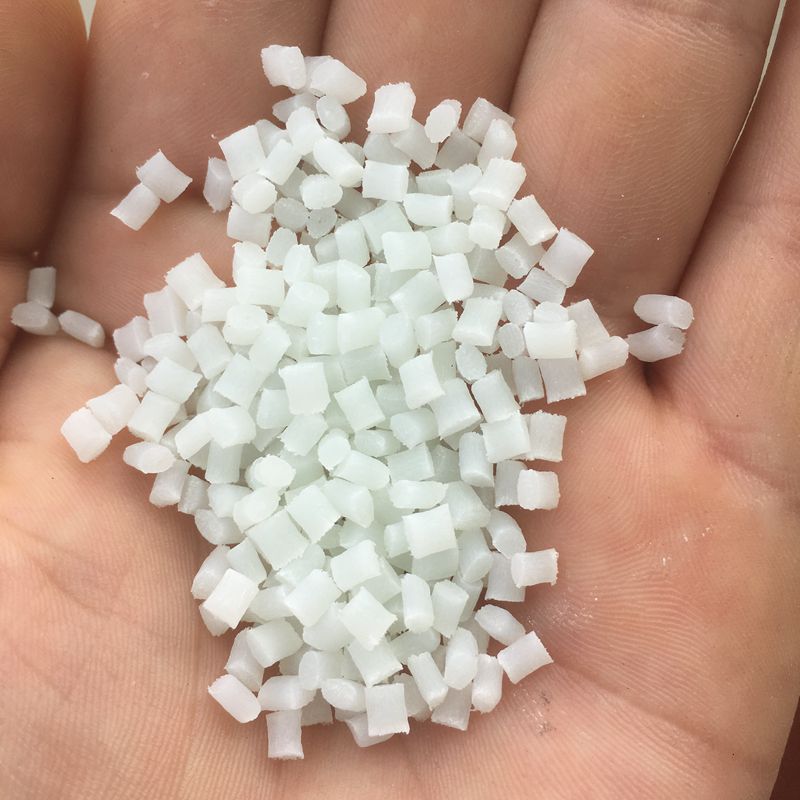
A critical point for any processor is that all polyamide granules are hygroscopic. They readily absorb moisture from the air. This means that proper drying (typically to below 0.2% moisture) before processing is non-negotiable to prevent surface defects (splay marks) and loss of mechanical properties due to hydrolysis during molding .
Conclusion
PA6 and PA66 are not simply interchangeable "nylons"; they are distinct engineering tools. PA6 offers a gateway to balanced performance and cost-effectiveness, while PA66 provides the pinnacle of thermal and mechanical endurance. At [Your Company Name], we are committed to supplying pristine, high-quality granules of both variants, backed by the technical knowledge to help our clients select the exact polymer their application demands.
Contact:
For inquiries regarding specifications, certifications, and bulk supply, please visit Zijun plastic or contact our technical sales team.