

Synthesis & Structural Root
Both materials are synthesized via metallocene catalysis but differ in comonomer design:
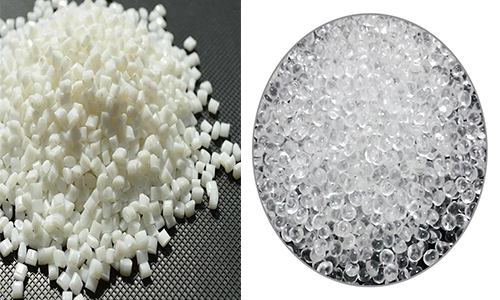
POE (Polyolefin Elastomer): Copolymer of ethylene and 1-octene (comonomer content >= 20 mol%) with an amorphous structure. It behaves like rubber, providing excellent flexibility and impact resistance.
POP (Polyolefin Plastomer): Copolymer of ethylene and 1-butene/1-hexene (comonomer content < 20 mol%) with higher molecular chain regularity. It behaves like functional plastic, balancing toughness and rigidity.
Core Physical Properties
Industry Applications
POE (Focus on Toughness & Elasticity)
Plastic Modification: Acts as an impact modifier/toughening agent for PP/PE in automotive bumpers, interior parts, and home appliance casings.
New Energy: Core encapsulation film substrate for photovoltaic (PV) solar modules due to excellent UV and weathering resistance.
Wire & Cable: Insulation and jacketing layers that require excellent low-temperature flexibility and bending resistance.
POP (Focus on Sealing & Clarity)
Flexible Packaging: Used as the heat-seal layer for high-speed food and medical packaging films, offering low seal-initiation temperature (SIT) and anti-contamination sealing.
Hot-Melt Adhesives: Serves as the base polymer for premium polyolefin hot-melt adhesives in packaging and automotive assembly.
Rigidity-Retained Modification: Ideal for compounding scenarios where both impact blending toughness and component rigidity retention are required.
Quick Procurement Rule
Choose POE if your priority is: Low-temperature impact modification, elasticity enhancement, plastic compounding, or PV encapsulation weatherability.
Choose POP if your priority is: High-speed film production, low-temperature heat sealing, high transparency, tear resistance, or retaining product rigidity.