

Basic Definition of PVC
Polyvinyl Chloride (PVC) is a thermoplastic polymer produced by the polymerization of vinyl chloride monomer. Its molecular structure is -(CH₂-CHCl)ₙ-. Pure PVC is a white powder, odorless and non-toxic, with a density of 1.35–1.45 g/cm³. PVC was first industrialized in Germany in 1935 and is now one of the top three general-purpose plastics in the world by production volume.
As a thermoplastic, PVC can be melted and shaped at around 190°C, retains its shape upon cooling, and can be remelted and reshaped repeatedly. It is suitable for various processing techniques including extrusion, injection molding, and calendering.
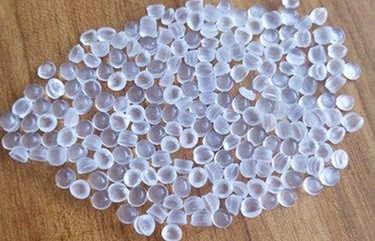
Key Characteristics
Advantages:
-
Chemical resistance: Resists most acids, alkalis, and salt solutions. At room temperature, it can withstand concentrated hydrochloric acid, sulfuric acid up to 90%, nitric acid up to 50–60%, and sodium hydroxide up to 20%.
-
Flame retardancy: Self-extinguishing with a flame retardancy value exceeding 40.
-
Electrical insulation: Excellent insulating properties, widely used in wires and cables.
-
Mechanical properties: Rigid PVC has a tensile strength of 40–80 MPa, meeting structural requirements.
Main limitations:
-
Poor thermal stability: Decomposes above 100°C, requiring heat stabilizers.
-
Low impact resistance: Becomes brittle at low temperatures, requiring impact modifiers.
-
Plasticizer dependence: Flexible PVC requires large amounts of plasticizers, and traditional phthalates face increasing regulatory restrictions.
Main Types of PVC
| Type | Plasticizer Content | Plasticizer Content | Typical Applications |
| Rigid PVC | ≤5% | High strength, high rigidity, corrosion resistant | Pipes, window profiles, sheets |
| Flexible PVC | 20%–40% | Soft, bendable | Cable sheathing, films, artificial leather, medical tubing |
| Chlorinated PVC (CPVC) | — | Improved heat and chemical resistance | Hot water pipes, chemical pipelines |
| Hot water pipes, chemical pipelines | Special formulation | Biocompatible, sterilizable | IV tubes, blood bags |
Main Application Areas
-
Construction & building materials: Pipes, profiles, flooring, wall panels (largest consuming sector, accounting for approximately 55% of global PVC demand)
-
Electrical & cables: Wire insulation, cable sheathing (utilizing excellent electrical insulation and flame retardancy)
-
Packaging: Transparent films, shrink films, blister sheets, containers
-
Medical: IV tubes, blood bags, dialysis lines (primary material for single-use medical devices)
-
Consumer goods & automotive: Footwear, artificial leather, toys, automotive interior skins, seals
-
Agriculture: Irrigation pipes, agricultural films
Global PVC Market Overview
Market size: The global PVC market was valued at approximately USD 78–98.5 billion in 2025, expected to reach around USD 106.6 billion in 2026, and projected to reach USD 145.8 billion by 2030, with a CAGR of approximately 8.1%.
Capacity & distribution: Global PVC production capacity exceeded 64 million tonnes per year in 2025 and is expected to surpass 66 million tonnes per year in 2026. Capacity is concentrated in Northeast Asia (led by China, accounting for about 46% of global capacity), North America, and Europe.
Trade patterns: China became the world’s largest PVC exporter in 2025 (export volume of approximately 3.8 million tonnes). India is the largest importer, with an import dependency of nearly 60%. Anti-dumping duties (in the EU, Brazil, India, etc.) significantly influence trade flows.
Environmental & Regulatory Compliance
Safety: Residual vinyl chloride monomer in modern PVC resins is strictly controlled to very low levels. Compliant products are certified under FDA, EU, RoHS, REACH, etc., and are safe for humans under proper use conditions.
Plasticizer trends: Traditional phthalate plasticizers face restrictions in sensitive applications (food packaging, children’s toys, medical devices). Non-phthalate plasticizers such as DOTP, DINCH, epoxidized soybean oil, and citrate esters are gradually replacing conventional products.
Recycling progress: New technologies such as electrothermal chlorination synergistic recovery and room-temperature dechlorination methods are advancing green recycling of PVC.
B2B purchasing compliance documents:
-
Residual vinyl chloride monomer test report (ASTM D3749)
-
RoHS & REACH declarations of compliance
-
Food contact compliance declarations (FDA 21 CFR, EU 10/2011, or GB 4806)
-
Third-party testing certifications (SGS, TÜV, BV)
Summary
PVC is one of the world’s largest-volume and most widely used general-purpose plastics, covering rigid, flexible, chlorinated, and many other grades. The modern PVC industry has placed risks such as residual monomers, heavy metal additives, and plasticizer migration under strict regulatory control. Compliant PVC products are safe and reliable under proper use conditions. With its versatility, cost-effectiveness, and mature processing technology, PVC maintains a strong position in construction, electrical, medical, packaging, and other sectors, and remains one of the most important materials in international resin trade.