

Recycled polystyrene (rPS) is produced from post-consumer and post-industrial polystyrene waste, including expanded polystyrene (EPS) packaging, food containers, disposable cutlery, CD cases, and insulation boards.
The recycling process involves:
- Collection and sorting of PS waste streams
- Densification or compaction to reduce volume
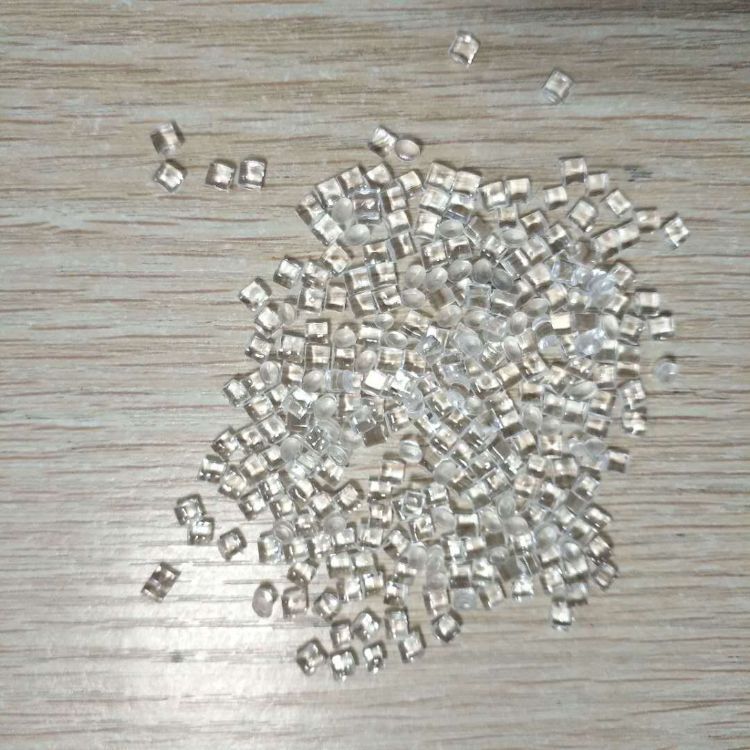
- Shredding and melting into uniform pellets
- Filtration and purification to remove contaminants
- Extrusion into finished rPS resin pellets
Advanced recycling technologies now produce rPS with purity levels suitable for demanding applications, including food contact in certain regions.
Environmental Advantages of rPS Raw Material
1. Cuts Energy Use by 90% vs. Virgin PS
Producing rPS requires only a fraction of the energy needed to manufacture virgin polystyrene from petroleum. This translates directly to lower greenhouse gas emissions — approximately 75-90% reduction per ton of material.
2. Reduces Landfill Volume Significantly
Expanded polystyrene (EPS) is 95% air by volume, taking up enormous space in landfills. Recycling and densifying PS waste drastically reduces landfill burden and prevents plastic pollution in natural environments.
3. Enables Circular Supply Chains
rPS can be recycled multiple times when properly sorted and processed. This creates circular value chains where packaging and construction materials are collected and reintroduced into production rather than discarded after single use.
4. Aligns with Global Plastic Reduction Policies
Many countries are implementing bans or taxes on single-use polystyrene products. Using rPS in durable goods and reusable packaging helps businesses comply with evolving regulations while maintaining operational flexibility.
Primary Applications of Recycled PS (rPS)
Packaging Industry
rPS is widely used in protective packaging solutions:
- EPS foam cushioning for electronics and fragile goods
- Thermoformed trays and clamshell packaging
- Disposable food service items (where permitted by regulation)
- Protective edge boards and corner protectors
Building and Construction
rPS serves as a cost-effective insulation material:
- Extruded polystyrene (XPS) insulation boards
- EPS insulation blocks and panels
- Lightweight construction fillers and void formers
Consumer Goods and Electronics
- CD and DVD cases, jewel boxes
- Office supplies and stationery
- Plastic hangers and display components
- Electrical housings and insulating components
Automotive Sector
- Lightweight interior trim parts
- Sound-dampening components
- Protective shipping packaging for auto parts
-
When selecting an rPS supplier, verify:
- Melt flow index (MFI): Matches your processing equipment and product requirements
- Purity level: Low contamination from other polymers such as PE or PP
- Moisture content: Properly dried material for consistent processing
- Certifications: ISO 9001 quality management, GRS (Global Recycled Standard) where required
- Consistency: Batch-to-batch uniformity in color and melt properties
Conclusion
Recycled PS raw material offers manufacturers a practical, environmentally responsible alternative to virgin polystyrene. With proven performance across packaging, construction, and industrial applications, rPS delivers both sustainability gains and cost advantages without sacrificing product functionality.